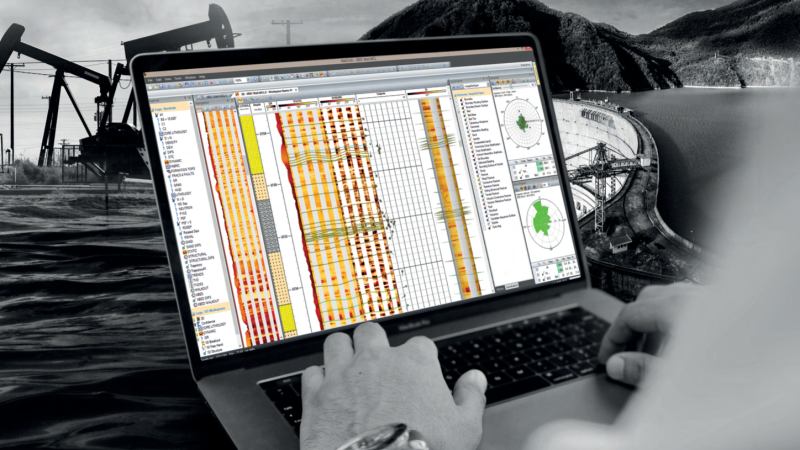
Electromagnetics (EM)
Electromagnetic methods use the principle of induction to measure the electrical conductivity of the subsurface.
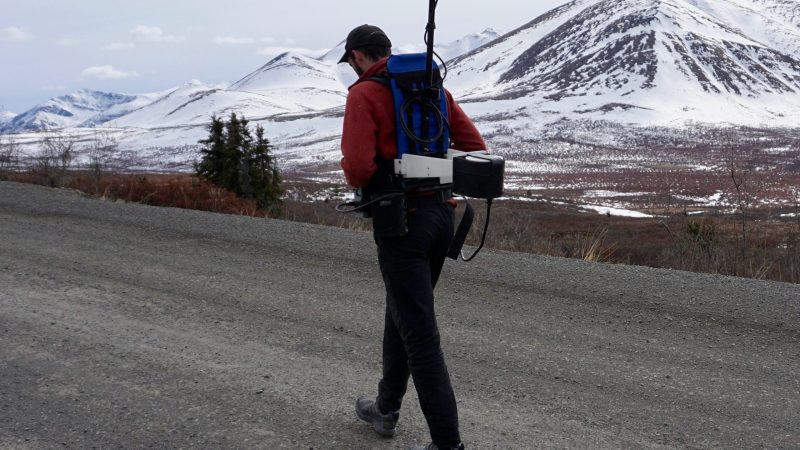
Ground VLF Systems
Very Low-Frequency (VLF) systems for ground surveys. The VLF survey technique is a passive electromagnetic method that utilizes distant, globally positioned transmitters to induce secondary responses in conductive geologic units to determine overlying conductive materials in the subsurface.
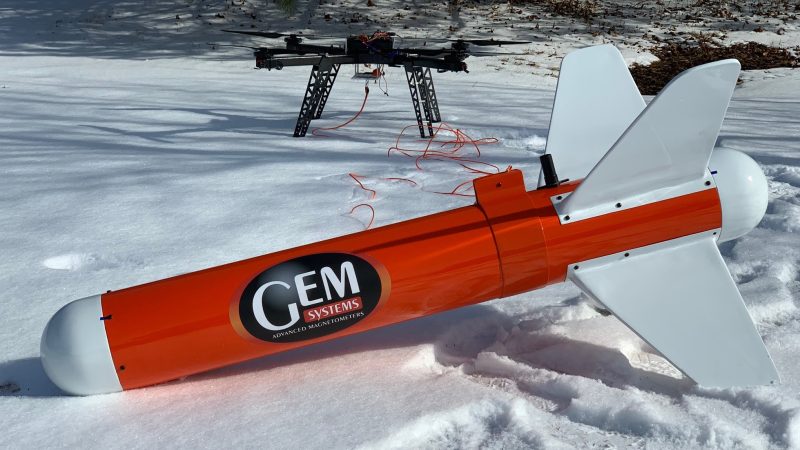
Airborne/UAV VLF Systems
Very Low-Frequency (VLF) systems for airborne / UAV surveys. The VLF survey technique is a passive electromagnetic method that utilizes distant, globally positioned transmitters to induce secondary responses in conductive geologic units to determine overlying conductive materials in the subsurface.

Frequency Domain EM
Frequency Domain EM (FDEM) is a technique in which electric and magnetic (EM) fields are induced into the ground by applying AC signals at multiple frequencies via a transmitter coil and then analyzing the resulting electrical or magnetic response by a receiver coil. By observing the response as a…
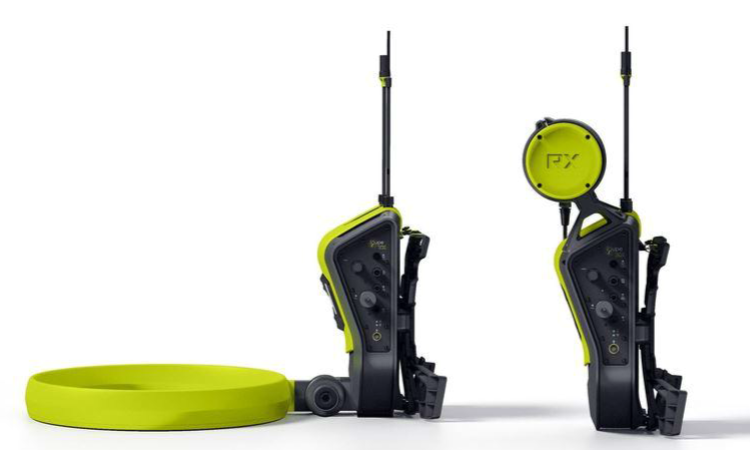
Time-Domain EM
Time-Domain EM (TDEM) is a geophysical technique in which electric and magnetic (EM) fields are induced by transient pulses of electric current generated by a loop of wire or coil and the subsequent decay response is measured by a receiver coil. These secondary EM fields are recorded as the…
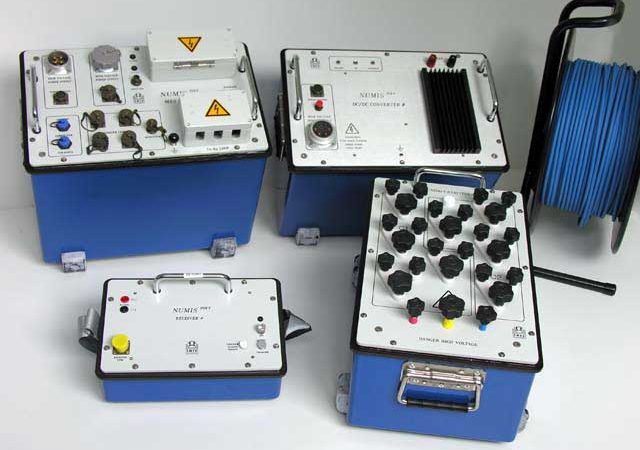
Proton Magnetic Resonance
Proton magnetic resonance enables the direct detection and quantification of groundwater and allows for the estimation of permeability, specific yield, pore size, and other properties.